Improve Your Vehicle’s Fuel Efficiency Before Summer
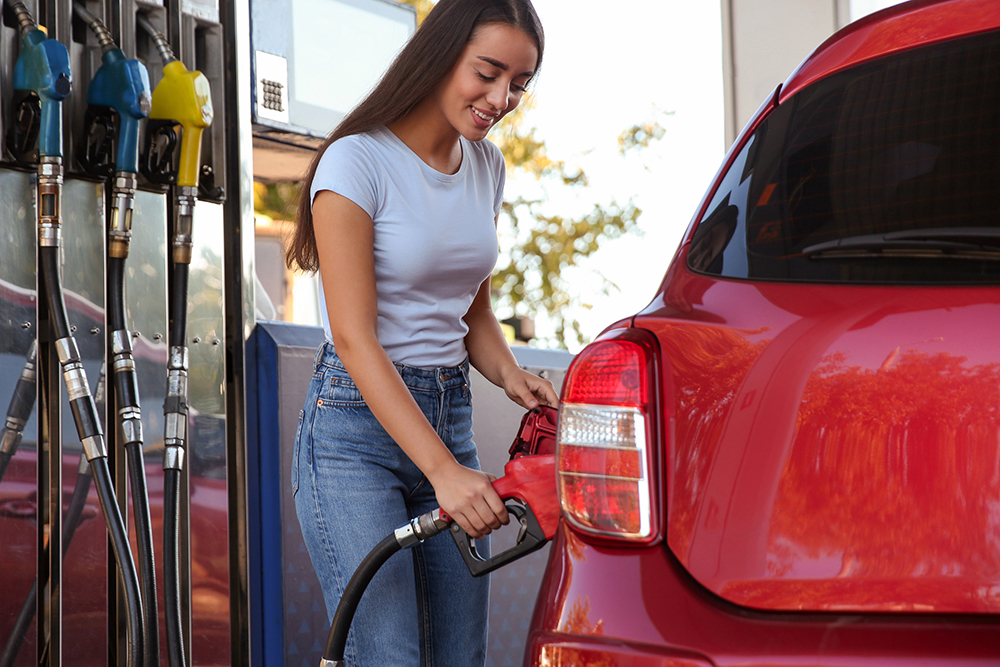
Personal calendars fill up fast in May as families approach the doorstep of summer. While you map out your adventures, make a plan to maximize your car’s fuel efficiency.
Improving fuel efficiency begins with preparing your vehicle before you venture out on the highway. Here’s our list of pre-summer suggestions to keep your vehicle operating at peak performance and avoiding problems when away from 1. home:
1. Clean oil. Motor oil forms, becomes thicker through winter and into early spring. The cold, wet temperatures increase sludge and reduce oil performance.
Staying on top of your car’s oil changes helps improve fuel efficiency. A crankcase with fresh oil–combined with clean filters–reduces friction and ensures proper lubrication. It improves engine efficiency and longevity.
2. Safe tires. Don't forget to also check tread depth and look for any cracks, bulges or other signs of wear that may necessitate a tire replacement.
Check tire inflation before heading out of town this May. A note of caution for vehicles with tire pressure monitors: Alerts mean pressure already has dropped to levels that cause tire damage.
Low tire pressure also reduces fuel efficiency by increasing rolling resistance.
3. Trouble-free climate control. Does your vehicle produce cool air when you need it? Are the components of the system operating efficiently?
Problems with your climate control system also reduce fuel economy. Leaks and worn out parts make the system operate inefficiently.
Check air conditioner settings and temperature while taking errands around town. Look for signs such as taking a long time to generate cool air, odd noises and musty odors.
And let your service advisor know if you discover any potential problems before your next family vacation.
4. Fresh filters. Maintaining clean filters makes for better driving, especially if they haven’t been replaced since last fall.
Replace air filters to give optimal airflow to your vehicle’s engine, which prevents it from working harder to burn fuel. Regular replacement of air filters helps extends the lifespan of the engine.
Also, a new cabin air filter helps improve the health of your vehicle for you and your passengers. They help reduce allergens such as pollen and dust. Close vehicle windows and rely on the climate control system to filter air coming into the cabin.
5. Proper alignment. Does your vehicle tend to pull to one side or another? That’s one sign your vehicle may need an alignment.
Properly aligned wheels reduce rolling resistance, which in turn allows your car to move efficiently and use less fuel. It also extends the life of your tires. Not sure if your vehicle wheels are aligned properly?
6. Reliable brakes. Worn out brake pads and rotors make it harder for your vehicle to stop and, in severe cases, can cause braking failure. Worn brake components also can cause your vehicle to pull to the side and create vibration when applying pressure to the pedal.
Look for signs that your brake system needs attention–squeaks, squeals and vibrations when you press the brake pedal.
7. Steady battery. Changes of seasons often cause issues for weak batteries, and they can go bad when you least expect it. Consider having it tested or replaced before your next road adventure.
Ask your service advisor to inspect cables for proper connection and frays. Improve batter performance by removing corrosion buildup from terminals.
8. Efficient engine. Lingering problems from winter weather can affect engine performance and mileage performance as summer comes into view.
For instance, worn spark plugs and related wiring can cause engine misfires. Incomplete combustion makes your engine work harder and reduces overall fuel efficiency.
Other issues affecting ignition performance include damaged coils, oxygen sensor or ignition wires. A faulty oxygen sensor can lead to the disheartening “check engine.”
9. Sturdy belts and hoses. Rubber-based parts break down during normal engine wear and tear. Prevent leaks while driving this summer by replacing hardened or cracked hoses.
Get belts inspected for frayed edges. Belts that have a smooth, shiny “glazing” means they are worn and prone to slipping. Have them inspected before your travels.