Hot Summer Shine for Dark Colored Vehicles
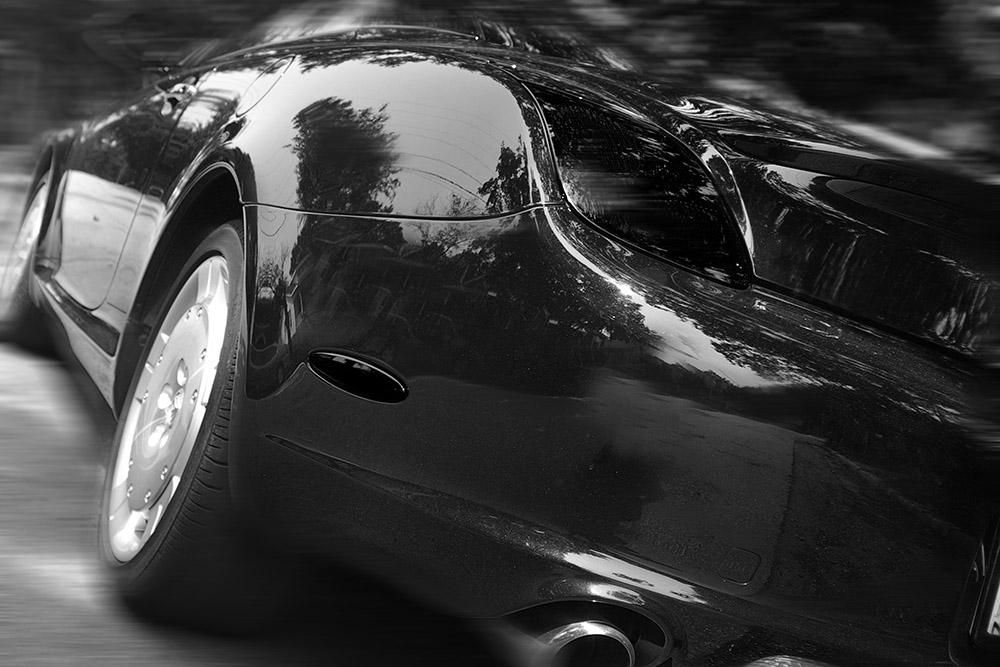
There’s something undeniably striking about a well-detailed dark-colored vehicle. The eye-catching glossy finish always turns heads whether the car is cruising down the street or parked in the driveway.
But that mirror-like shine doesn’t come easy because dark paint makes swirl marks, scratches and water spots more visible.
That’s why Jim Dvorak of Mothers car care products recommends a consistent approach to cleaning, drying and protecting dark-colored vehicles.
“Whether the vehicle is maintained by an owner or professional, it’s up to them as to how often it should be detailed. Light maintenance should be done a few times a month. Serious maintenance should be considered a few times a year.”
So what does it take to maintain that deep and rich shine on a dark-colored vehicle?
Dvorak says a basic vehicle detail should include a wash, quick spray wax or traditional wax coating, vacuuming of the interior and cleaning the glass.
“A few times a year serious efforts should also be taken to perform a paint correction process to remove oxidation, scratches, spiderwebbing and swirls to provide longer-lasting protection that can be maintained with an easy-to-use spray designed for automobile exteriors,” Dvorak says.
Wheels and Tires First
Wash the wheels and tires first as they’re typically the dirtiest part of the vehicle. Cleaning them first prevents brake dust and grime from splashing on car panels that you may have washed already.
Use a tire cleaner to break down road residue, then scrub the sidewalls and tread grooves with a stiff-bristled brush. For brown discoloration, apply an automotive decontaminant to dissolve embedded particles that will save you the hassles of excessive scrubbing.
Apply a water-based tire dressing for a rich matte finish and use an applicator pad to prevent it from pooling in the tread grooves.
Pay attention to the wheels as brake dust and road grime can cling to intricate surfaces and cause long-term damage if left untreated. Whether your wheel finish is chrome, aluminum or painted, you can use an effective wheel cleaner.
Pre-Rinse the Vehicle
Give the vehicle a gentle rinse to remove loose dirt and debris. This pre-rinse allows water to loosen stubborn grime.
Avoid using a high-pressure jet to rinse because it forces water into crevices and leaves mineral deposits and stubborn water spots behind. On dark paint, they can form a crusty layer on the vehicle’s clear coat.
Dvorak hoses down vehicles with a medium-pressure setting and holds the nozzle 12 to 18 inches from the paint. As a final step, Dvorak suggests a flood rinse to wash away lingering droplets that can leave water spot residue.
Chenille Wash Mitt and Lubricating Soap
When choosing cleaning materials, Dvorak says a microfiber chenille wash mitt with a wash product designed for vehicles is your best bet. Do not use household detergents.
The absorbent fibers of the mitt traps contaminants and the slick soap reduces the risk of scratches and swirl marks on the car body. Rinse the car thoroughly before the suds begin to dry and leave soap streaks and water spots that dull the vehicle’s appearance.
Dvorak stresses the importance of washing vehicles in the shade as suds dry faster on dark-colored vehicles due to their higher heat absorption. If you can’t rinse right away, gently mist the car surface to keep it wet. Once the washing is complete, do a final rinse from the roof and work your way down.
Dvorak also offers practical tips for dealing with hot temperatures while working to restore a vehicle’s shine.
“If the car surface is hot, you should reschedule your project and if that’s not possible work in smaller sections,” Dvorak says. “And when detailing the glass or the interior of the vehicle, opening doors can be helpful as the interior temperatures can escalate rapidly with closed doors and windows.”
Dry With Clean Towel or Leaf Blower
Dry the vehicle using a clean microfiber towel or a handheld leaf blower to prevent the water from leaving spots.
A leaf blower is also effective at extracting water from hard-to-reach areas like mirrors and badges. This prevents water spots from being noticeable on dark paint colors.
Once the car is dry, consider claying the paint once a month. The process removes embedded contaminants that regular washing cannot remove like brake dust, industrial fallout and road tar.
If swirl marks are still visible on your vehicle’s paint, apply a paint polish to restore the gloss. This step helps minimize minor imperfections and adds a layer of protection against UV rays and summer contaminants.
Use a Natural Wax
To lock in the rich gloss, use a high-quality wax or paint sealant. Carnauba wax delivers a warm and deep shine that enhances dark colors, while ceramic-based sealants offer longer-lasting protection in hot weather conditions.
“A wax with carnauba is often considered to offer warmth to the paint,” said Dvorak. “It is a safe choice.”
How do you know the wax protection is wearing off?
“When the paint starts to lose its gloss and becomes harder to maintain, that’s a sign your wax protection is wearing thin. Another clue is increased friction—if your wash mitt or drying towel starts to drag across the surface instead of gliding smoothly, it's time to reapply protection.”
Tips for Old Dark Colored Cars
Dvorak shares further tips for restoring the shine of older dark-colored vehicles with faded paint or surface imperfections:
- Wash/dry.
- Clay if necessary to remove contaminants that you see or feel.
- Perform a polish paint correction process to make the paint look its best.
- Protect the paint with a wax, ceramic or ceramic wax.
- Maintain protection with a quick mist wipe-and-buff- spray product with every wash.
- Seek advice from the tech support department of your favorite car care brand.