Driving Tips for Hot Days, Hot Nights On The Road
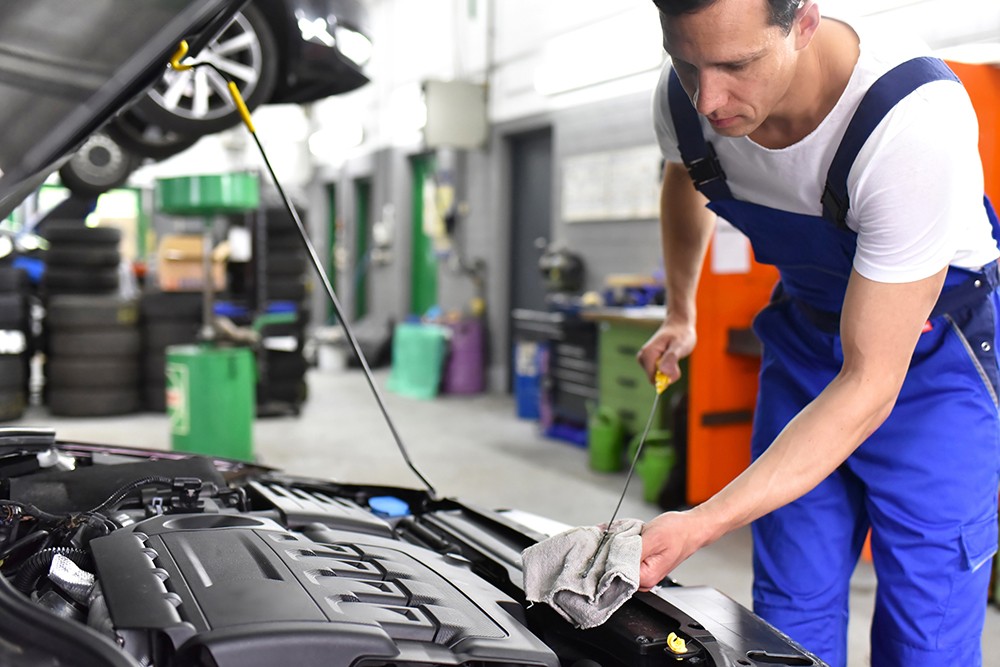
Heavy summer traffic, long-distance driving and extreme temperatures can push your cooling system and brakes to the limits.
As a result, a pre-trip inspection is essential to reduce the risk of sudden breakdowns or canceling your trip.
”In the busiest stretch of the year, summer heat places an extra strain on vehicles and every driver must take responsibility,” said Laoise King, deputy commissioner for the Connecticut Department of Transportation.
”Whether you’re heading to the beach or commuting through a work zone, make sure your vehicle is well maintained, so you can enjoy the summer and arrive at your destination safely.”
Here are some safety suggestions to consider before your trip.
Cooling System Performance
Summer heat places tremendous strain on your engine’s cooling components.
How and where you drive can increase load on your vehicle’s cooling system. Among the leading causes of engine overheating include: high ambient temperatures, Stop-and-go vacation traffic, long highway drives, towing and uphill driving.
Avoid problems with overheating by inspecting major components of your vehicle’s cooling system before your next road trip:
- System performance. Does your temperature gauge read higher than normal? Notice steam coming from under the hood? Are there coolant puddles when your vehicle is parked? Does your AC blow hot air in slow moving traffic?
- Leaks or radiator cap. A loose cap or small leak can cause your engine to overheat. A pressure test helps spot issues quickly before they escalate into bigger problems.
- Coolant. Check coolant level and make sure it is a bright, clean color–free of rust, sludge and debris.
- Hoses and belts. They are under extreme heat and pressure. Old hoses may crack and leak and an inopportune time far from home.
- Cooling fans and water pump. Check for damage, obstructions and performance. Your vehicle’s water pump cycles coolant through the engine. Worn out bearings, leaky seals and corroded impeller blades diminish flow. The problems can lead to vehicle engine overheating and permanent engine damage.
Brake System Safety
Increased passenger loads, extra cargo and frequent stops place additional wear on your vehicle braking system. They also make your braking system less responsive when you push the pedal.
Do you hear squealing or grinding noises when you brake? Does the steering wheel vibrate when you’re slowing down or stopping? Is your brake pedal spongy or goes down too easily? Is your vehicle taking longer than usual to come to a complete stop?
Ask your service advisor to inspect the following before you hit the road:
- Brake pads. Ensure the thickness is sufficient for safe driving. Ask your service advisor to check for uneven wear, which may indicate braking or alignment issues.
- Brake rotors. Inspect for cracks, grooves or warping which can affect braking performance. Measuring rotor thickness keeps it within safe specifications.
- Brake fluid. Moisture contamination can weaken braking performance and stopping power. Get the fluid level topped up if below the recommended range.
- Brake lines and hoses. Any signs of damage–leaks, cracks and corrosion–can reduce braking pressure and compromise safety.
- Parking brake. Does it securely hold the vehicle when engaged? The cable and mechanism should also be inspected for wear, slack or signs of malfunction.
- Brake calipers. Make sure they are moving freely and apply even pressure to the brake pads. Sticking or worn components that could reduce braking efficiency.
- Brake fluid heat resistant. Brake fluid is heat-resistant, but over time it absorbs moisture which lowers its boiling point and reduces braking performance. Regular replacement maintains reliable hydraulic braking performance.
Tires and wheels
Tire safety is easy to forget in the excitement of getting to your next destination. Take a few moments to inspect your tires once a day when traveling away from home.
- Tire pressure. Hot weather makes air inside tires expand. Inspect when tires are cool for accurate reading. Tires lose air pressure every month, and an underinflated tire causes severe sidewall. Always check tire pressure frequently when traveling away from home. A visual inspection is not enough to prevent severe damage. And tire alerts found in modern vehicles display after pressure has dropped to critical levels.
- Tread thickness. Tires contain thin tread bars between the thick tread blocks. Tread bars can be found concentric channels. Once tread blocks wear down to tread bars, tires need to be replaced promptly. They have reached their legal limit.
- Cracks. Older tires tend to crack from exposure to heat and UV light. For vehicles seldom driven, inspect for signs of age that could lead to tire failure.
- Bugles and cuts. Have you struck a curb or pothole? Make sure there is no sidewall damage that indicates a weakened tire and impending failure.
Other safety reminders
- Battery heat stress and electrical load. Air conditioning and other in-cabin electronics place a huge load on battery power. Have your car’s battery strength checked as high temperatures reduce performance.
- Windshield condition and visibility. Inspect windshield for small chips or cracks that spread quickly in hot weather. Fix small chips immediately to avoid a full windshield replacement.
- Transmission fluid condition. Fluid should be kept in good condition as high temperatures can degrade it and affect smooth gear shifting. Regular maintenance prevents delayed gear changes during long drives.
- Emergency kit and heat-related breakdowns. Always travel with an emergency kit in case your vehicle breaks down. Stock it with basic tools, water and essential items to remain safe and comfortable while waiting for assistance.
Preparing for a road trip with your pet
- Microchips. Most pet adoption places automatically do this as well as some breeders. Police and animal control offices scan to identify your pet and find the owners.
- Check your dog’s tags and collar. Make sure the tags are up-to-date and that the collar is in good condition. As an added security step, you could even print temporary tags. These tags include the information of where you will be staying during your trip. Pet stores offer an easy way to print cheap temporary tags for vacations.
- Packing. Bring along your pet's favorite toys, bedding, and food. Don't forget to pack water, food bowls, leashes, and waste bags.
- GPS tracking tag. A rugged, waterproof, GPS collar tag can help locate your pet using an app on your mobile phone. Via Bluetooth when in range or a GPS network when out of range, a GPS tracker gives your pet an added level of security.
- Pet emergencies. Bring a first aid kit for your pet and research emergency vets along your route just in case.
- Pet behavior. Watch your pet frequently for signs they are comfortable and relaxed. Panting is the way dogs cool off and also is an important sign they are getting too warm or under stress.
- Crates and carriers. A well-ventilated crate or carrier. is the safest option in case of an accident. Make sure it is large enough for your pet to stand, sit, lie down and turn around in. Secure the crate so it doesn't slide or shift during abrupt stops.
- Prevent eye damage and head injury. Don't allow pets to ride with their head outside the window.
- Prep a pet-friendly travel kit. Bring food, a bowl, leash, waste bags and grooming supplies. Include a favorite toy or pillow.
- Feeding and watering. The ASPCA recommends a light meal three or four hours before travel. Be sure to pack plenty of water, and avoid feeding your pet in a moving vehicle. Use bottled water whenever possible–it’s safer than standing water or tap water that may not be properly treated.
- Travel documents. Border crossings require official pet vaccination and other documents. Check with the destination county before leaving town and keep a copy in your glove box.
- Do not leave your dog unattended in a parked vehicle. Mild summer temperatures climb to deadly levels even with the windows open in parked vehicles. Pet heatstroke is common. Find a cool spot outside the vehicle where your pet can wait with one of your human travel companions.